


BANTAM
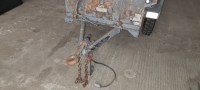
Bantam T-3 Trailer – 1/4 Ton Cargo Trailer
WWII military trailer
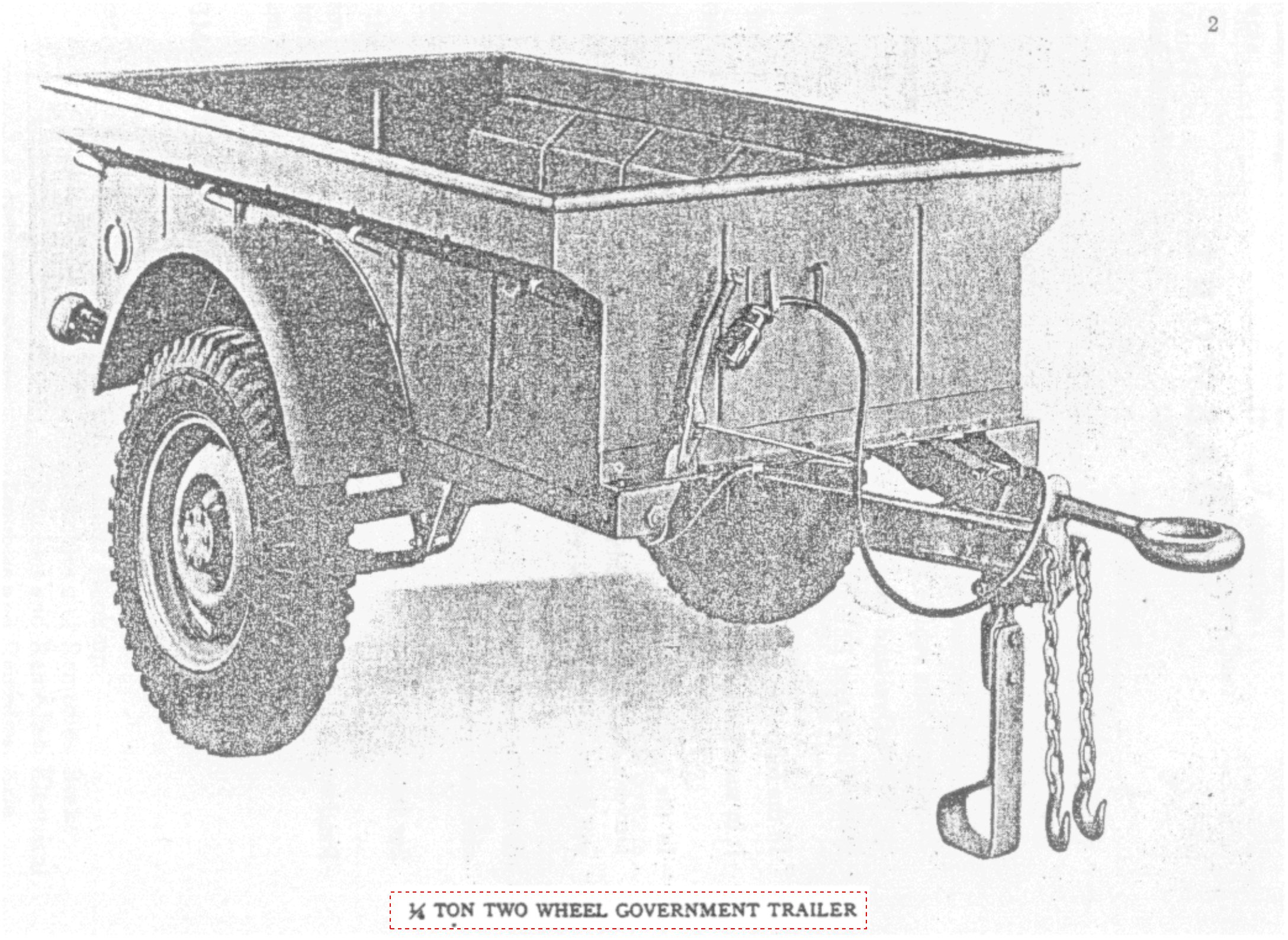
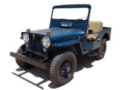
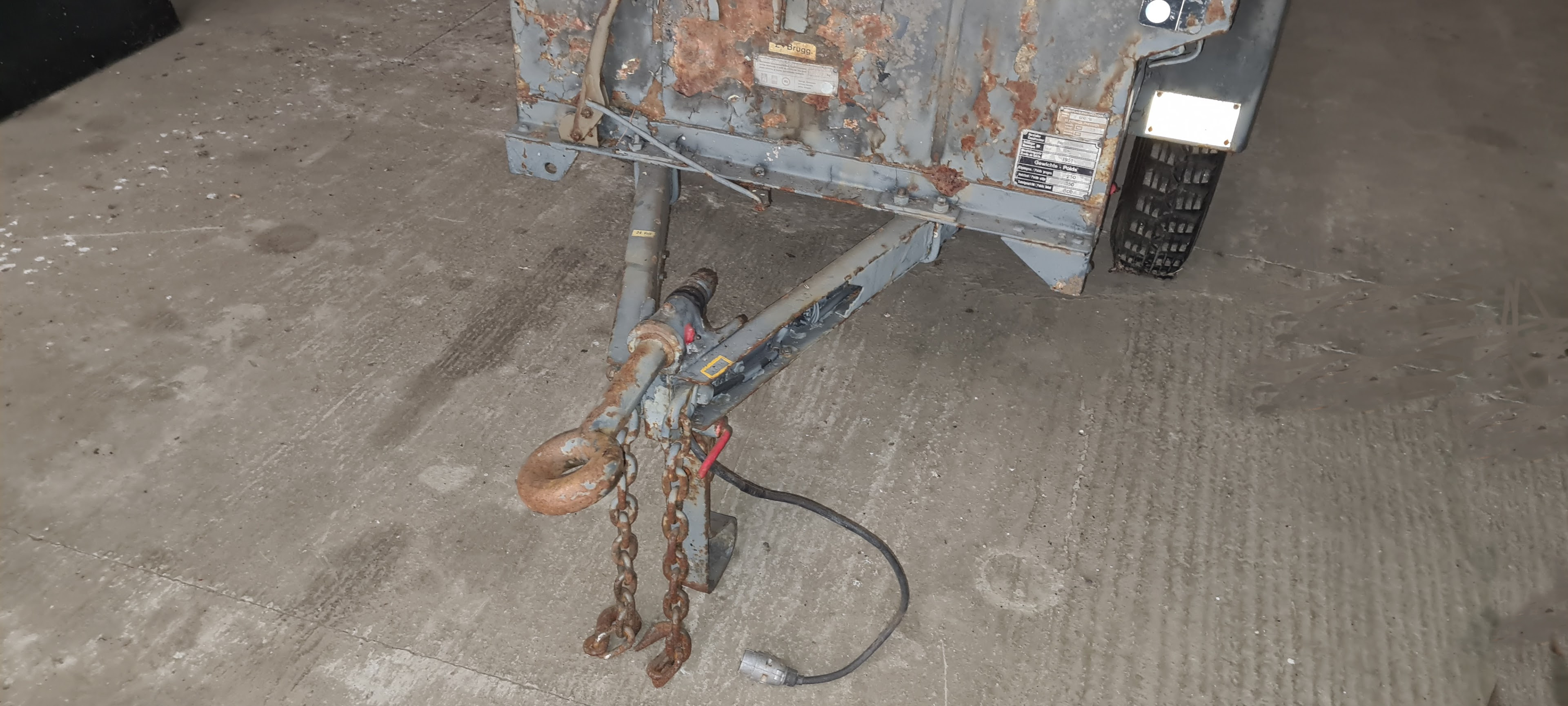
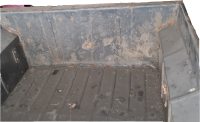
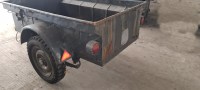
The Bantam T-3 is the iconic 1/4-ton military trailer produced during WWII by American Bantam Car Company as a companion to the jeep. With a payload capacity of 250 kg (500 lbs) and amphibious capabilities, this trailer formed an essential part of the logistics chain in all theatres of WWII.
|
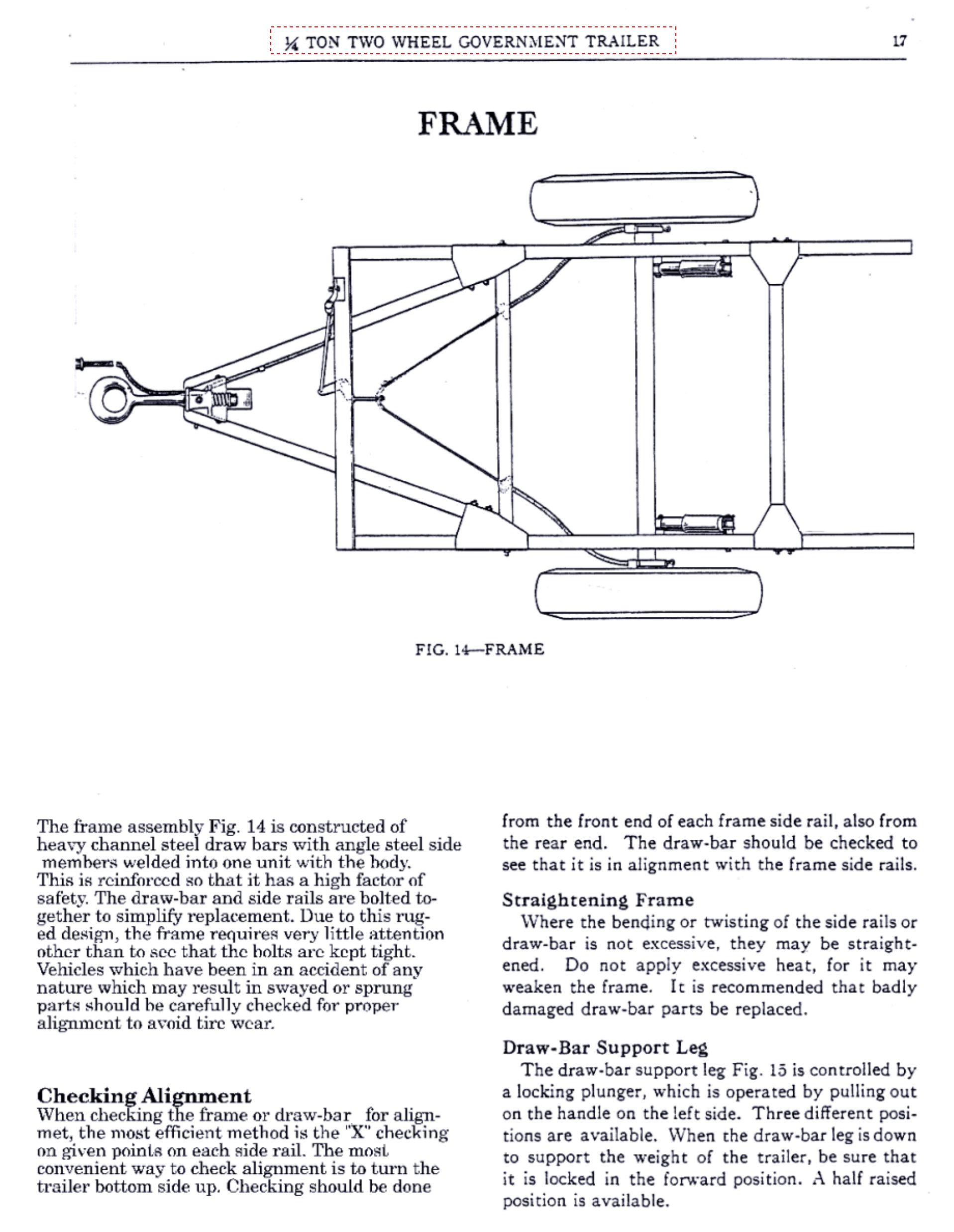
Construction Welded steel body on separate frame |
Capacity 1/4 ton (250 kg) payload |
|
Production 1942-1945, approx. 000 units |
Manufacturer American Bantam Car Co., Butler, PA |
Features
- Official designation: Trailer, Cargo, Amphibian 1/4 Ton
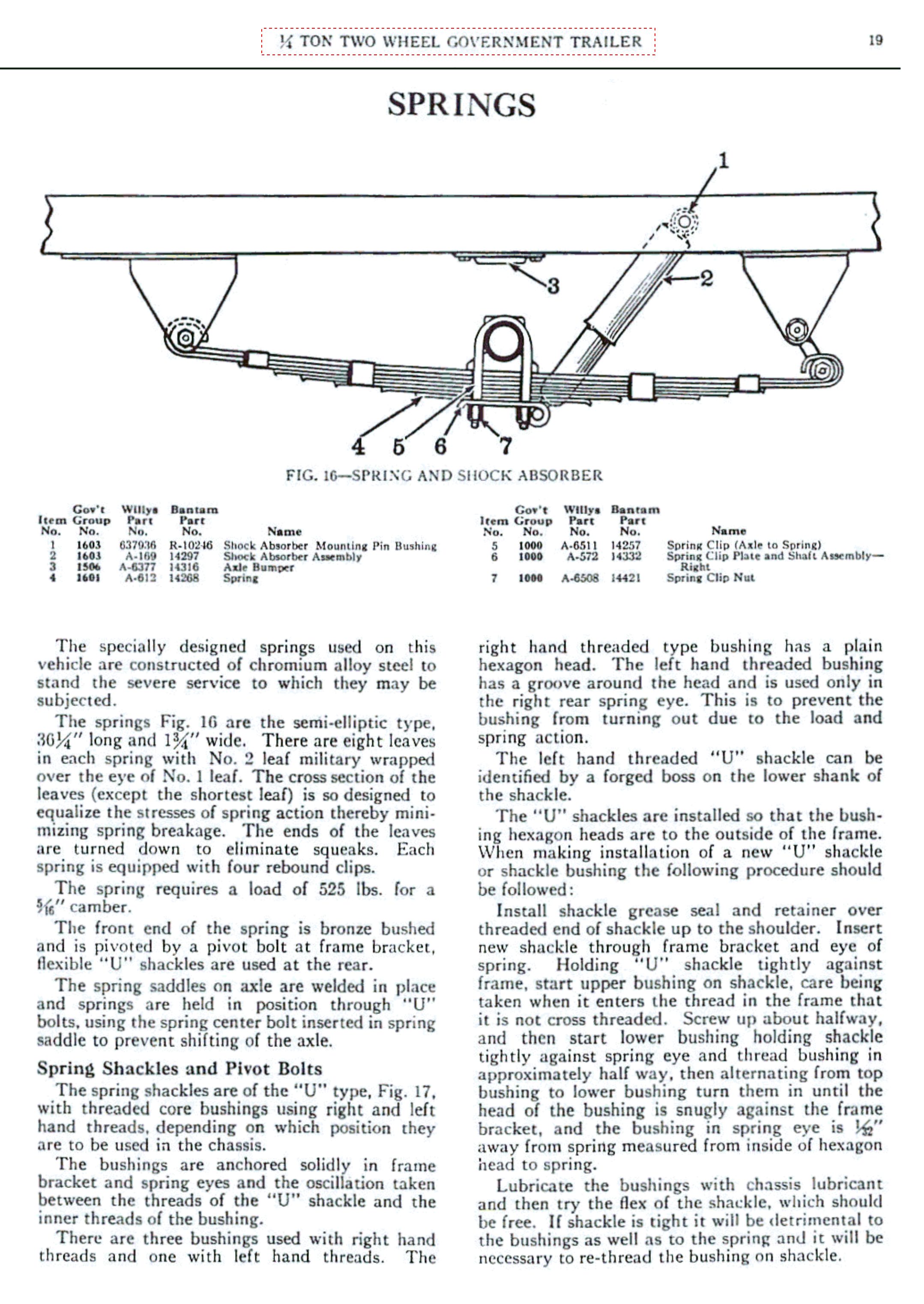
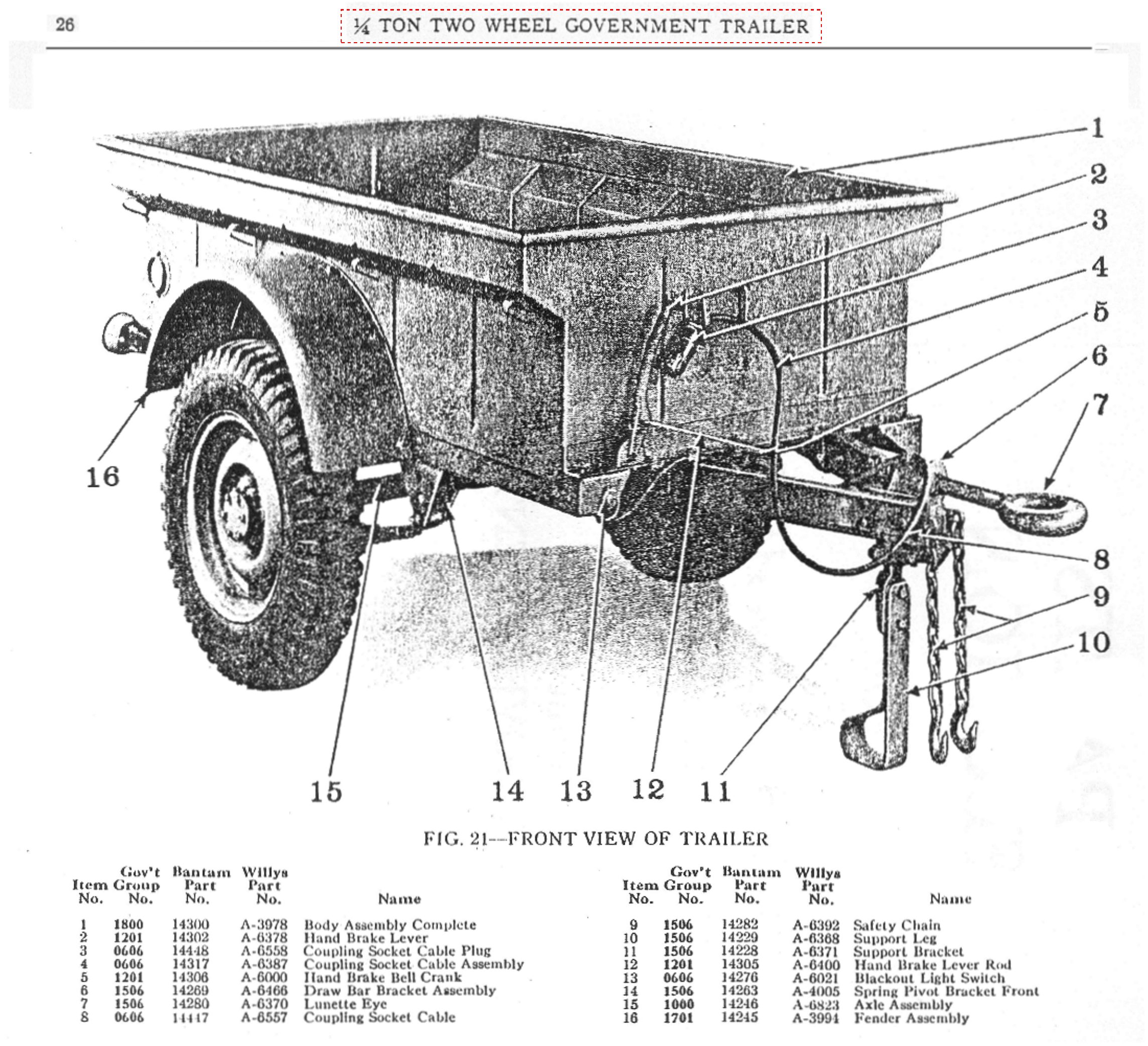
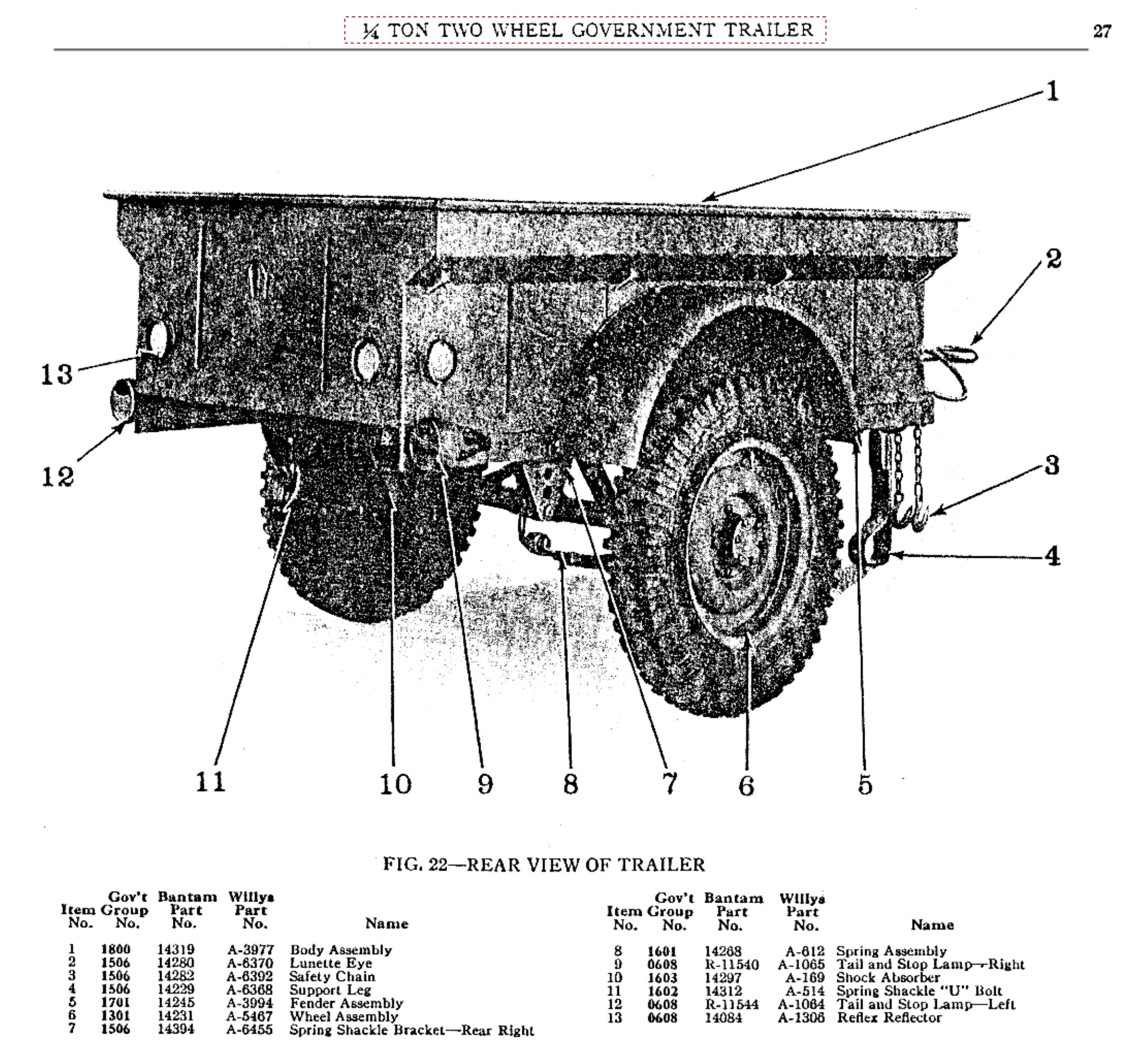
- Single-axle suspension with leaf springs and shock absorbers
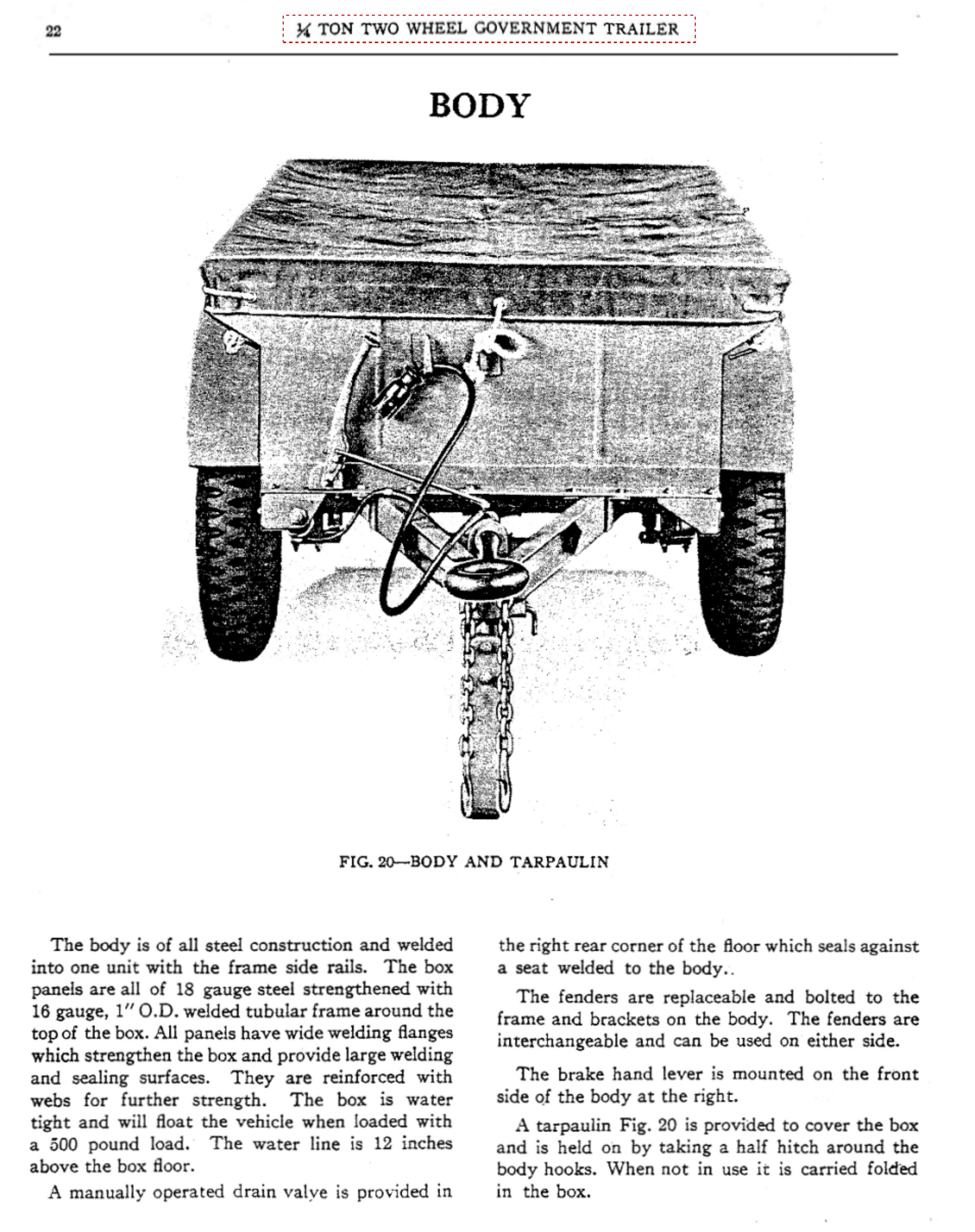
- Amphibious design with sealable bottom drain plugs
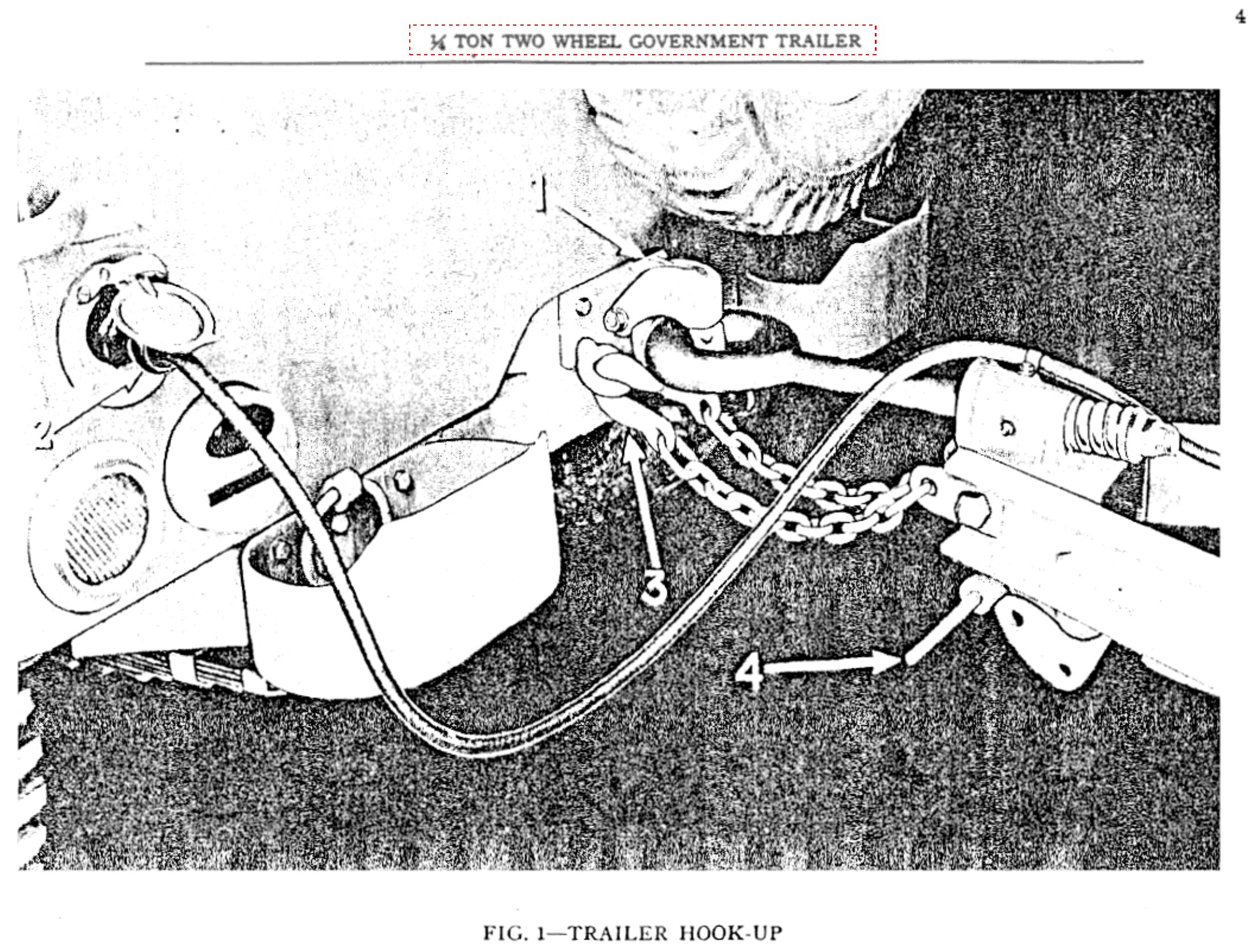
- Lunette coupling for pintle hook
- Round mudguards, no grab handles (difference from M-100)
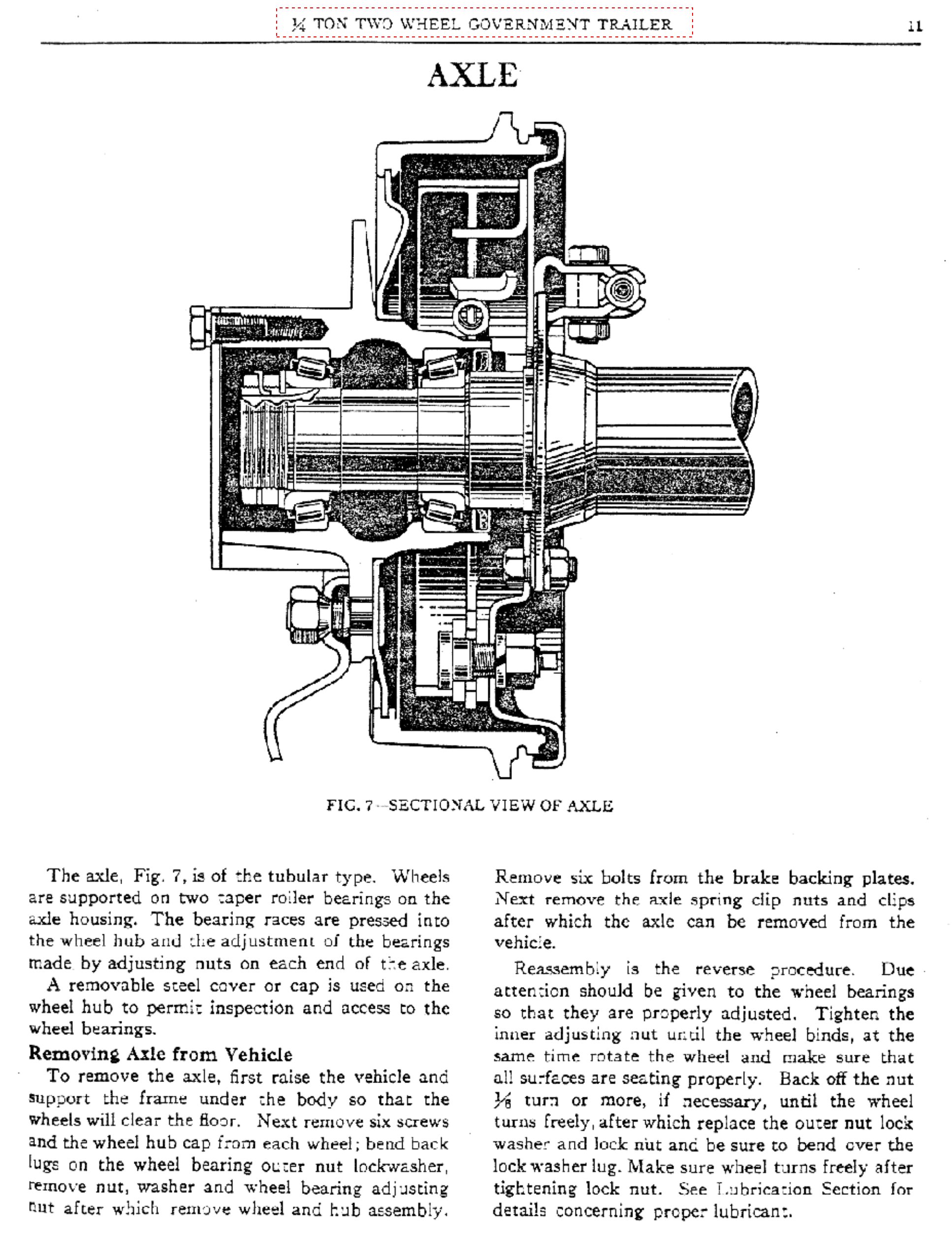
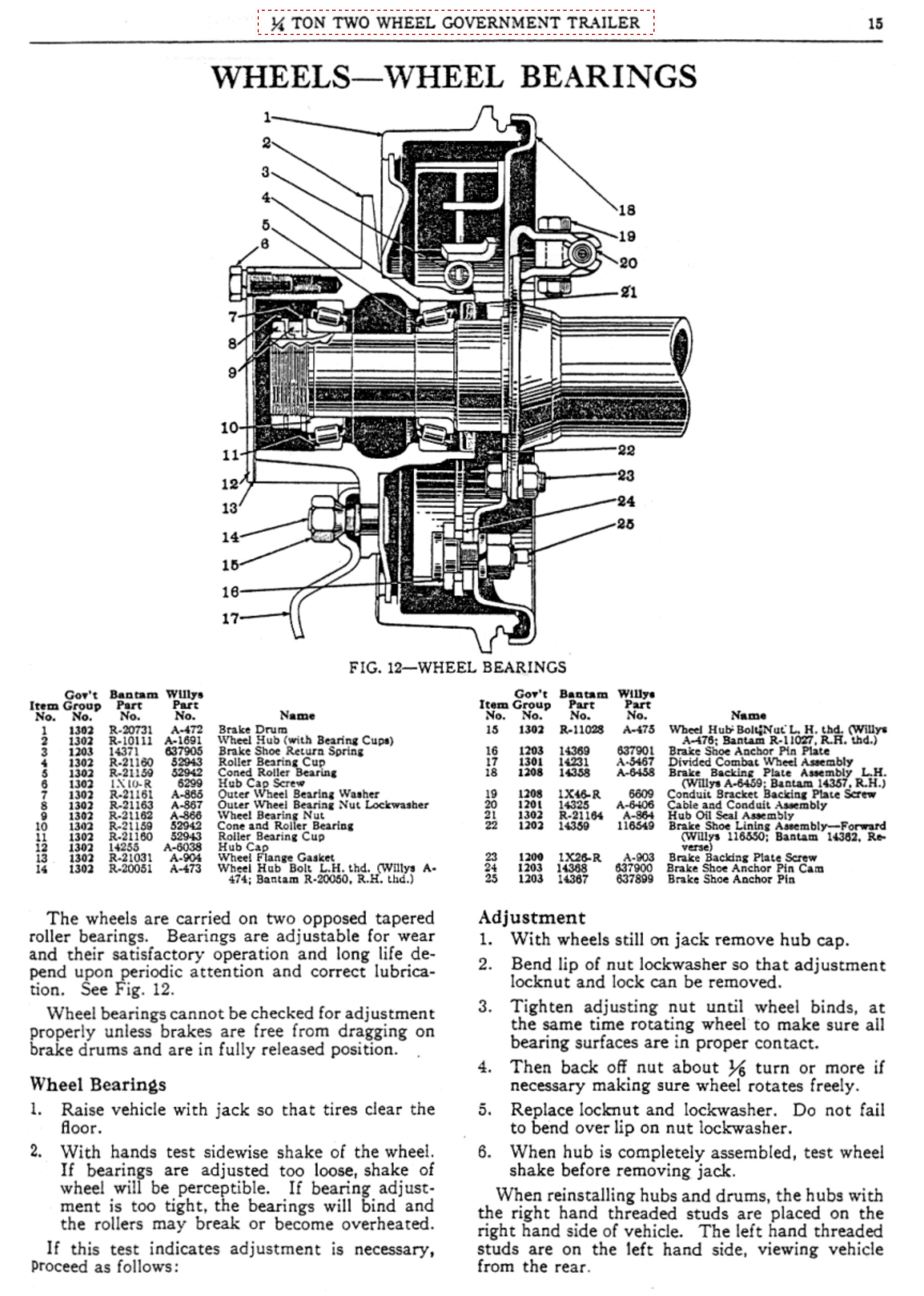
- Combat wheels 6.00x16" with split rims
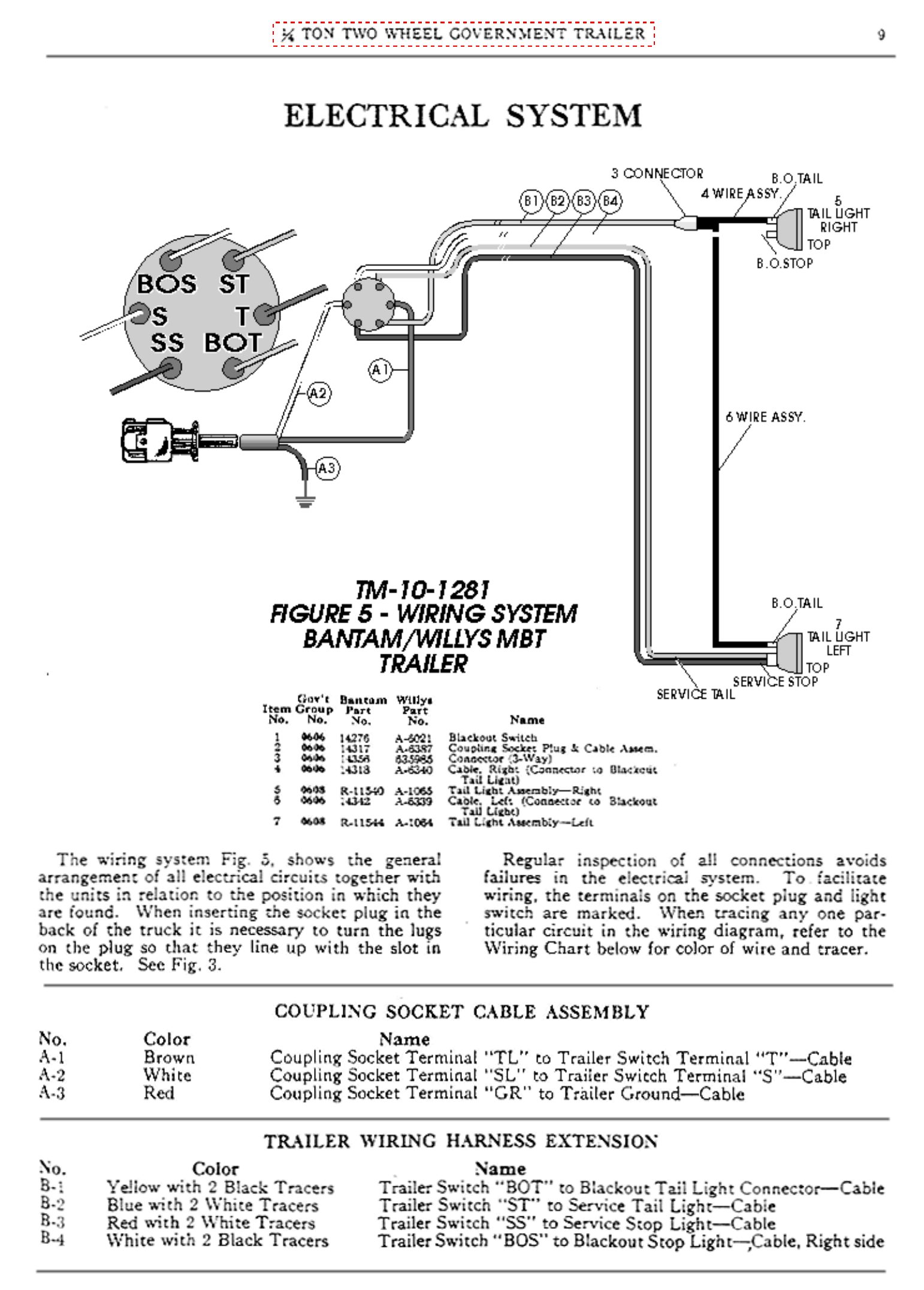
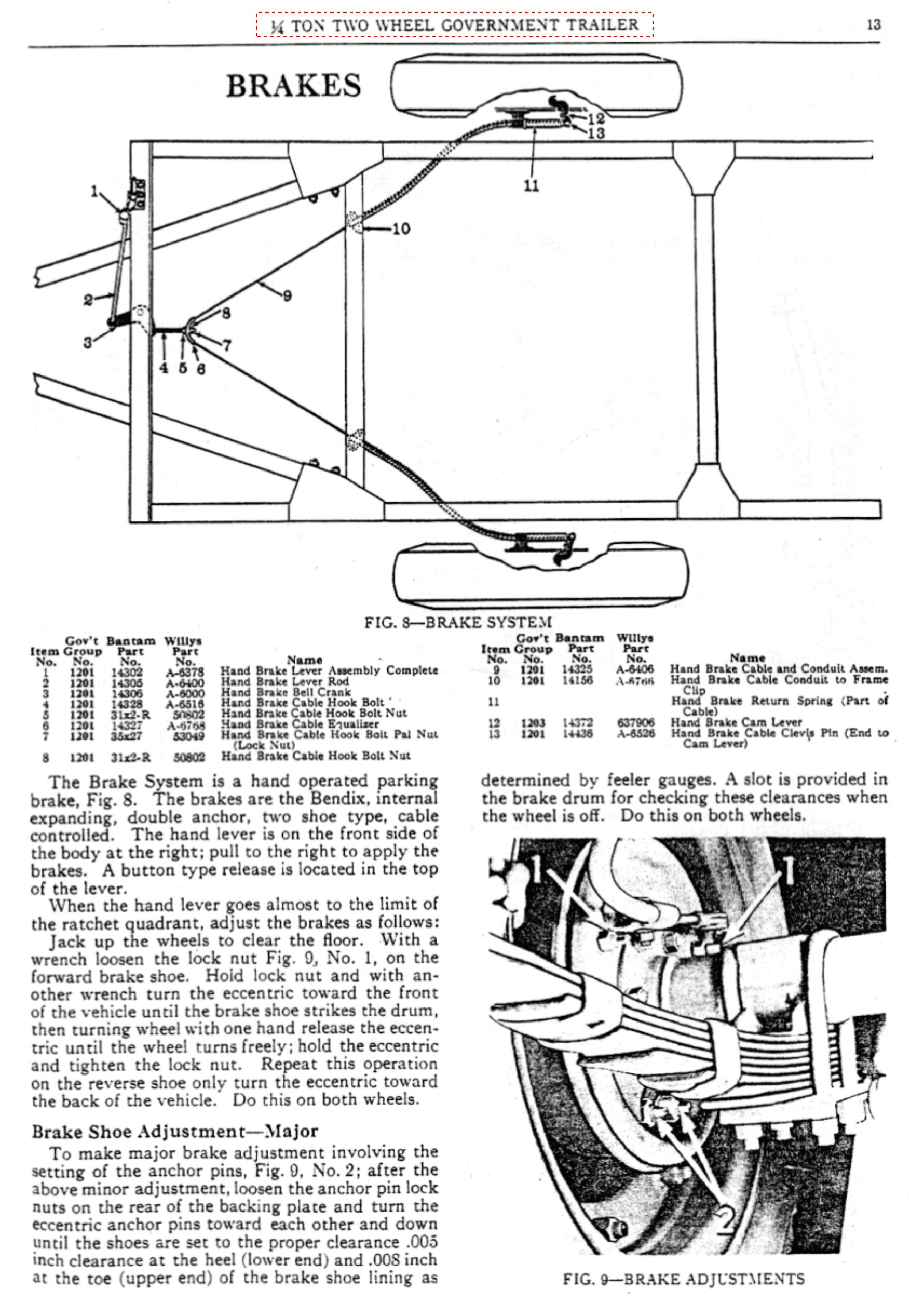
- Blackout lighting and handbrake
- Dimensions optimised for off-road use
★ Over 75,000 Bantam T-3 trailers were built during WWII and deployed with Allied forces worldwide. American Bantam continued producing trailers for the civilian market after the war (BT3-C model).
Application
Developed 1941-1942, standardised in 1942. Production by Bantam from 1943. Intended for use behind 1/4-ton jeeps for transport of ammunition, supplies, medical equipment and field gear. Also employed by French army as surplus after WWII.
Installation notes
Trailer couples via lunette ring to standard military pintle hook. Landing leg has 3 positions (up, half-way for mud, down). Safety chains mandatory. For amphibious use: seal both bottom drain plugs. Bantam shock absorbers with threaded stud and nut (Willys MBT uses cotter pin).
Compatibility
Parts largely interchangeable with Willys MBT (MB Trailer). Difference: Bantam T-3 uses threaded stud for shock absorbers, Willys MBT uses smooth stud with cotter pin. ACM number under left front spring hanger identifies production date. T-3 has no grab handles (M-100/M-416 do). Civilian BT3-C has tailgate and Fulton hitch.
Historical context
When the jeep was developed in 1941, the need arose for a compact cargo trailer. In 1942, the 1/4-ton trailer design was standardised. Bantam received the contract as compensation for loss of the jeep production contract. More than 150,000 1/4-ton trailers were built during WWII by 12+ manufacturers, of which Bantam alone produced approx. 000 T-3 units.
This description was generated automatically. Unsure about fitment? Contact us at info@willys.be.
This part is intended for the restoration of historic military vehicles. Fitting, aligning, deburring or reworking is part of that work and is inherent to the nature of these goods. Dimensional variation also exists between original vehicles.
Installation requires technical knowledge of the vehicle. Unsure whether this part suits your version? Ask us before purchase at info@willys.be.
📐 Diagrams & technical drawings
From the original Technical Manual TM 10-1281 — Parts List & Maintenance Manual — only for the 1/4-ton 2-wheel trailer (Bantam T3 / Willys MB-T)